Apr 28, 2026 / Job Board Industry / 8 min read
Updated Aug 6, 2026
What Is a Job Board? A Practical 2026 Guide

If you strip away the branding, a job board is just a specialized marketplace where employers pay for access to focused candidate attention. Once you understand that, the real questions change from "what software do I need" to "what specific audience am I trying to serve."
Quick Definition
Technically, a job board is a website where employers publish roles and candidates apply to them. But the business definition is more helpful: a job board packages distribution, community trust, and targeted attention into a simple product employers will pay for.
The software itself is rarely the value. The value is getting a specific job in front of the right applicant at the precise moment they are looking to move.
The shortest useful mental model
Employers pay for qualified applicants. Candidates want relevant roles. A good job board simply reduces the friction and noise between those two groups.
That is the whole definition. If you are reading this because you are considering building one, these two answer the questions that come next:
The Three Types That Matter
There are dozens of operational models, but nearly every job website falls into one of three structural categories.
| Type | What it does well | Best fit |
|---|---|---|
| General board | Massive top-of-funnel reach across many roles | Huge corporations with endless recruiting budgets. |
| Niche board | High relevance, focused SEO, much easier to sell | Independent founders, communities, and highly focused media brands. |
| Private board | Deep trust and high engagement in a small group | Professional associations, paid communities, and university networks. |
If you are an independent founder, focus entirely on the niche model. General boards are a losing game because you will be competing directly with massive incumbent marketplaces who have infinite marketing budgets.
How Job Boards Actually Make Money
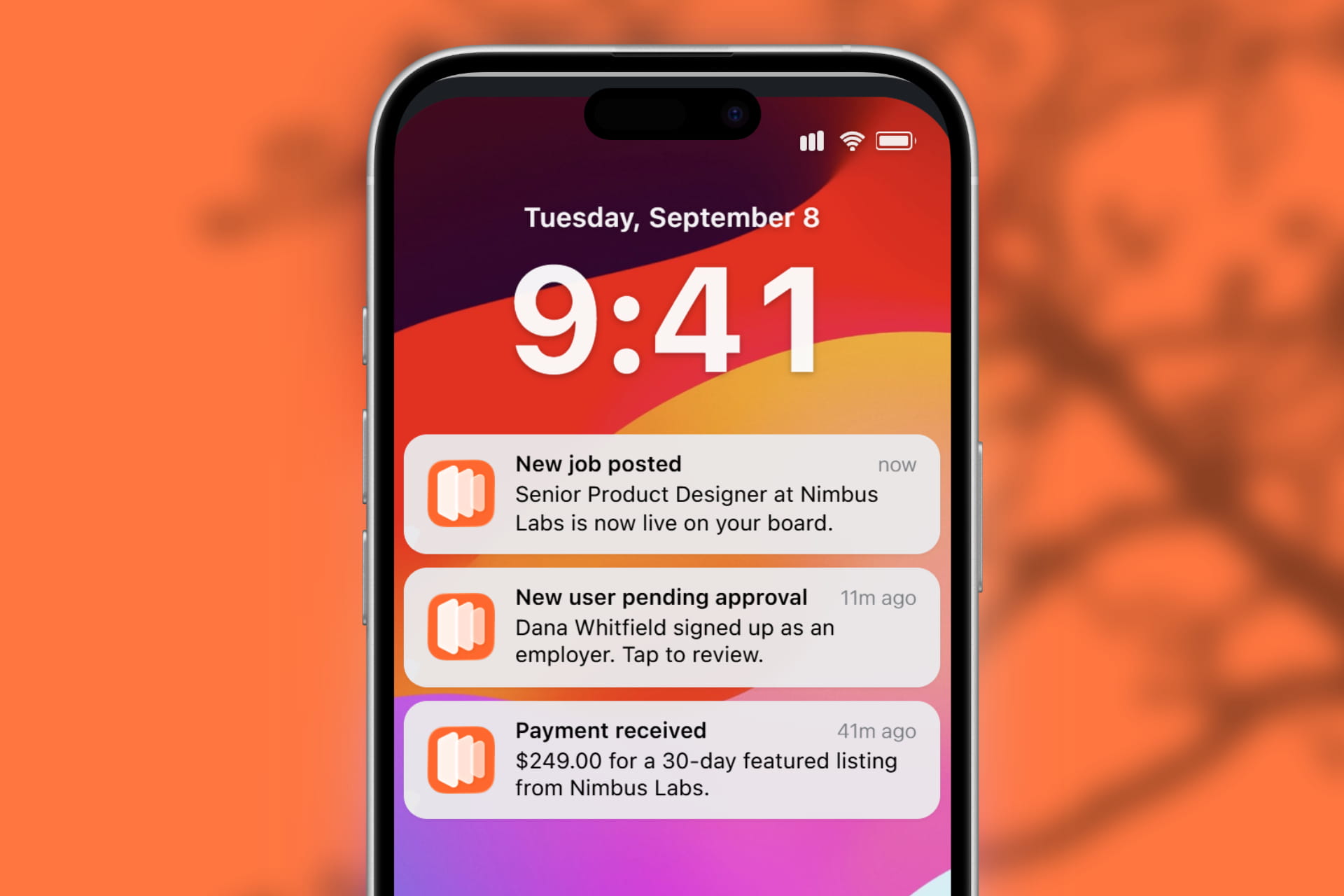
The core revenue engine is simple: employers pay to publish their jobs. As your site gains authority, you can package that attention differently.
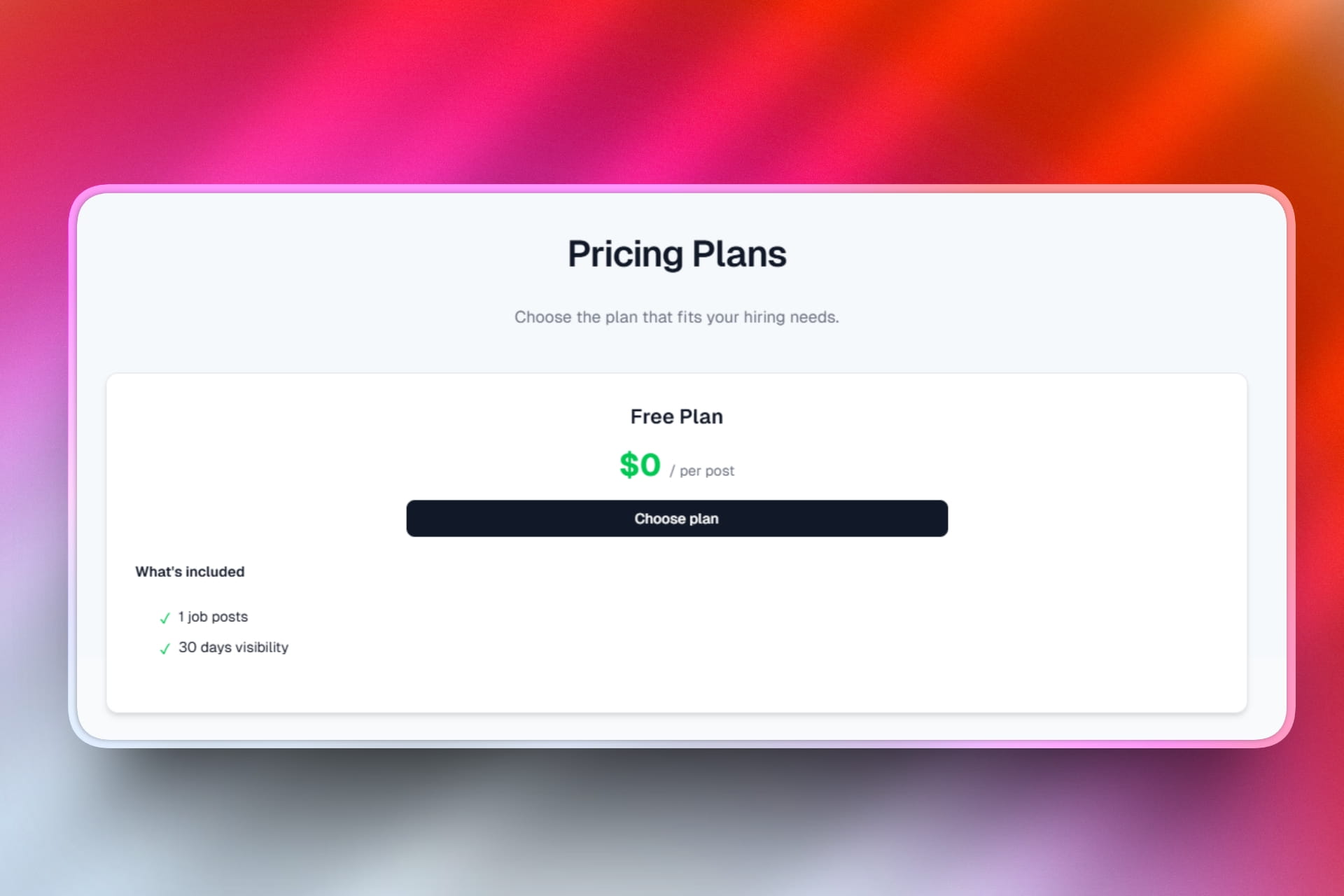
- Standard single listing: A one-off payment for a post that stays live for 30 days.
- Featured listing: An upsell that keeps the job highlighted at the top of the board or pinned in your newsletter.
- Listing bundles: Discounted packs for repeat buyers or large recruiting agencies.
- Subscriptions: Perfect for niches where employers hire continuously throughout the year.
- Sponsorships: Running display ads or dedicated emails for companies trying to build employer brand awareness.
If you want an operational look at this, we detail exactly what to sell and when in our pricing model guide.
Why Niche Boards Win
Niche boards consistently outperform broad ones because they are easier to trust. A director looking to hire a rust engineer or a pediatric nurse does not want "more applicants", they want qualified applicants.
- They convert better because the candidate pool is relevant.
- They are extremely easy to market because the value proposition is perfectly clear.
- They rank faster because they answer specific search intent.
- They are easier to sell to employers because you can prove exactly who reads your site.
This is not just theory. DHI Group owns both Dice and ClearanceJobs, and in 2025 the general tech board fell 17% while the single-credential board grew. We break down whether a niche job board is worth building, including the published numbers and 15 live examples.
When You Should Start One
Starting a job board is a great business if you already understand a specific field and can consistently reach the people in it. It is a terrible business if your only motivation is knowing that job boards can make money passively.
The most successful first-time founders usually meet one of these criteria:
- You already run a newsletter, Slack community, or media property in a focused niche.
- You intimately understand a very distinct hiring market and its pain points.
- You have access to a regional or demographic group that giant portals ignore.
- You can combine job listings with editorial content to build deeper trust than a generic aggregator.
The Baseline Features You Need
A modern job site does not require a complex native app or a massive messaging system. It needs a minimal footprint executed perfectly.
- Clear positioning and audience identity right on the homepage.
- Highly readable single job pages and logical category sorting.
- A completely frictionless payment and self-serve posting flow for employers.
- Clean indexable URLs and technically sound JobPosting schema.
- Immediate tracking so you can watch which filters and categories actually convert.
If search engine traffic is part of your model, make sure you configure your site correctly from day one. You can follow our JobPosting structured data guide to ensure you do not build something Google ignores.
Ready to launch your own focused job board?
Kardow gives operators the ability to build, launch, and monetize niche job sites immediately.
What to Read Next
The right next step depends entirely on your current stage.
- To plan your build: read how to create a job board in 2026.
- To find an audience idea: browse 15 niche job boards and the test for whether yours is viable.
- To pick your stack: compare 30 job board software platforms on price and speed.
- To design your revenue plan: read the pricing model guide.
- To build sustainable traffic: review job board SEO vs general website SEO.
Frequently Asked Questions
What exactly counts as a job board?
It is simply a digital marketplace comparing employer demand with candidate supply. A spreadsheet behind a paywall can be a job board if it connects those two groups effectively.
What is the difference between a job board and an aggregator?
A job board usually hosts direct employer listings that organizations pay to post. An aggregator scrapes or imports listings automatically from other sites. Many modern boards start with aggregation to build their initial inventory, then switch to paid direct listings once they have an audience.
Are job boards still worth building in 2026?
Yes, if you enter a specific market. Generic boards are almost impossible for indie hackers to scale. Niche boards tied to a tight community or a specific geographic need still convert incredibly well.
How do job boards usually make money?
Most rely on employers paying for a standard 30-day listing. As they grow, they offer premium featured placements, bulk packages for recruiting agencies, or employer branding sponsorships.
Should I build a broad board or a niche board?
Build a niche board. It is significantly easier to explain to employers, it ranks faster in Google, and candidates prefer dedicated spaces over noisy global marketplaces.
Keep reading
More articles
You may also like
August 20, 2026 • Job Board Industry
Job Board Software Pricing: All 30 Platforms Compared
Published rates for 30 job board platforms, the setup fees most comparisons leave out, and the three vendors that will not quote a price without a sales call.
August 19, 2026 • Job Board Industry
15 Niche Job Board Examples That Actually Make Money
Real niche job boards with verified employer prices, how each one gets its listings, and what it got right. Concrete examples to copy, not generic advice.
May 15, 2026 • Job Board Industry
Best Job Board Software in 2026: 30 Platforms Compared
Compare 30 job board software platforms in 2026 with pricing, trials, AI-powered options, and enterprise features to find the right fit for your niche.